

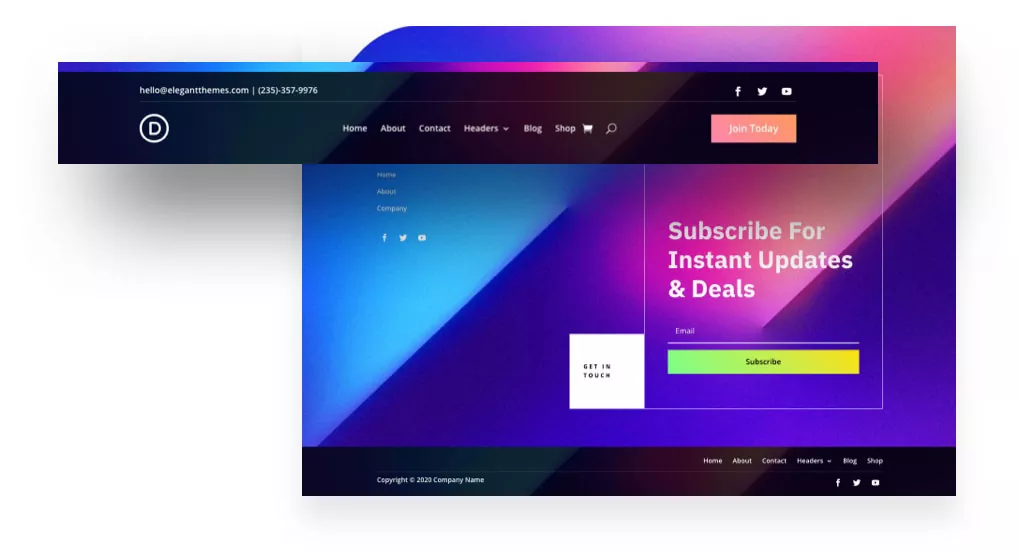
In the dynamic world of web design, every element on a page plays a crucial role in captivating visitors, guiding their journey, and achieving business objectives. While the main content often takes center stage, two seemingly humble areas—the website header and footer—hold immense power. These are not mere afterthoughts; they are strategic components that significantly impact user experience, navigation, and ultimately, your site’s search engine optimization (SEO) performance and conversion rates. For businesses like Asa Rad Co (آسا راد), understanding and optimizing these areas is paramount to creating an effective online presence that resonates with users and search engines alike.
Often, visitors make split-second decisions about a website based on their initial impression, largely influenced by the header. As they scroll and explore, the footer serves as a persistent point of reference and a valuable secondary navigation tool. Overlooking the strategic potential of your website’s header and footer design is a common pitfall. This article delves deep into the importance of these foundational elements, exploring best practices, essential components, and how their thoughtful design contributes to a superior user experience and robust SEO.
Understanding the Website Header: Your Digital First Impression
Think of your website header as the digital equivalent of a storefront sign and a welcoming handshake. It’s the very first section users encounter upon landing on any page. Its primary function extends beyond aesthetics; it is a critical navigation hub and a key identifier of your brand. A well-designed header immediately communicates who you are, what you offer, and how visitors can explore your site. It sets the tone and establishes credibility within those crucial initial seconds.
What Constitutes a Website Header?
Located at the top of every webpage, the header typically houses several vital elements:
- Logo and Brand Name: Instantly identifies your business, reinforcing brand recognition.
- Main Navigation Menu: Provides links to the most important sections of your website, guiding users to key content.
- Call-to-Action (CTA): Often a prominent button or link encouraging users to take a desired action (e.g., “Get a Quote,” “Shop Now,” “Contact Us”).
- Search Bar: Essential for content-heavy sites, allowing users to quickly find specific information.
- Contact Information: Making contact details easily accessible builds trust and facilitates communication.
- Language Switcher: Crucial for businesses targeting a multilingual audience, enhancing accessibility.
- Shopping Cart/Account Access: Important features for e-commerce and membership sites.
Strategic Importance of the Header for UX and Conversion
The header is a strategic asset that directly influences user experience and conversion rates. Its design and content can either encourage exploration or lead to frustration and bounce. An effective header:
- Guides Navigation: An intuitive menu structure helps users find what they need quickly, reducing confusion and preventing them from leaving the site.
- Establishes Brand Identity: Consistent placement and design of the logo and brand elements reinforce your professional image.
- Drives Action: A well-placed and compelling CTA can significantly increase conversion rates by prompting immediate engagement.
- Improves Accessibility: Features like language switchers and search bars cater to diverse user needs.
- Builds Trust: Clear contact information and a professional design signal credibility.
Best Practices for Website Header Design
Designing a header that is both visually appealing and functionally effective requires careful consideration:
- Keep it Clean and Uncluttered: Prioritize essential elements to avoid overwhelming visitors. Use white space effectively.
- Make Your Logo Prominent: Position your logo (like the Asa Rad Co logo) clearly, usually in the top-left corner, and link it back to your homepage.
- Intuitive Navigation: Organize menu items logically and use clear, concise labels. Consider mega-menus for sites with extensive content.
- Strategic CTA Placement: Position your primary call-to-action where it’s easily visible, often to the right of the navigation. Use contrasting colors to make it stand out.
- Consistency Across Pages: Maintain a consistent header design on every page of your site to build trust and familiarity.
- Mobile Responsiveness: Ensure your header adapts seamlessly to different screen sizes, typically collapsing into a hamburger menu on mobile devices.
- Optimize for Speed: Large images or complex elements in the header can slow down page load times, negatively impacting UX and SEO.
- Use Appropriate Heading Tags: While the header itself is a structural element, ensure the main page title within the content area uses a single H1 tag, supporting overall page SEO structure.
Delving into the Website Footer: The Anchor of Your Site
Often underestimated, the website footer is far more than just the bottom section of a page. It acts as a persistent anchor, providing essential information and supplementary navigation options that users may look for at the end of their journey on a specific page. While visitors might not see it immediately, they know it’s there and often scroll down deliberately to find specific details.
Think of the footer as a helpful assistant, ready to provide directions or crucial details once the user has finished consuming the main content. Its strategic design is key to improving usability, reinforcing brand identity, and offering valuable SEO benefits through internal linking and structured data.
What Belongs in a Website Footer?
The contents of a footer can vary depending on the website’s purpose, but common and highly effective elements include:
- Comprehensive Navigation Links: Links to important pages not always in the main menu, such as About Us, Careers, Blog, Sitemap, FAQs, and Contact Us.
- Contact Information: Full contact details, including physical address (if applicable), phone number, and email address. This is crucial for local businesses and builds credibility.
- Social Media Links: Icons linking to your active social media profiles to encourage engagement and community building.
- Newsletter Signup Form: An opportunity to capture leads and build an email list.
- Copyright Notice: Protects your website’s content and clearly states the ownership and the current year.
- Legal Links: Links to Privacy Policy, Terms of Service, Disclaimer, etc., which are essential for transparency and legal compliance.
- Awards, Certifications, or Trust Seals: Displaying trust badges can significantly boost credibility and conversion rates.
- Mini Sitemap: A hierarchical list of key pages, aiding both users and search engines.
- Logo and Brand Reinforcement: Including your logo here provides a final brand impression.
Strategic Importance of the Footer for UX and SEO
The footer’s strategic value lies in its ability to serve users who have scrolled to the end of a page, providing them with immediate access to vital information or alternative navigation paths. For SEO, it offers significant advantages:
- Improved Navigation: Serves as a secondary navigation system, ensuring users can find important pages regardless of where they are on the site.
- Enhanced User Experience: Provides convenient access to contact information, legal pages, and other essential details without requiring users to scroll back up.
- SEO Benefits through Internal Linking: Strategic inclusion of links to important internal pages helps search engines discover and index content, improving site structure and passing link equity.
- Builds Trust and Credibility: Easily accessible contact details, legal information, and trust badges reassure visitors.
- Reinforces Branding: Consistent use of logos and brand elements provides a cohesive experience.
Best Practices for Website Footer Design
To maximize the effectiveness of your footer, consider these best practices:
- Organize Content Logically: Group related links and information into clear categories (e.g., “Company,” “Services,” “Resources,” “Connect”).
- Keep it Concise but Informative: Include essential information without overwhelming the user with too many links or details.
- Align with Brand Identity: Maintain consistency in design, fonts, and colors with the rest of your website (including the header).
- Ensure Readability: Use appropriate font sizes and sufficient contrast between text and background colors.
- Include a “Back to Top” Button: Especially useful on long pages, this improves navigation and user convenience.
- Make Contact Information Clear: Don’t make users hunt for your phone number or email.
- Use Descriptive Link Text: Avoid generic terms; use anchor text that clearly indicates the destination of the link (e.g., “About Asa Rad Co” instead of just “About”).
- Consider Accessibility: Ensure the footer is navigable and understandable for users with disabilities, using proper HTML semantic tags (`
- Optimize for Mobile: Ensure the footer stacks neatly and remains easy to use on smaller screens.
The Strategic Synergy: Headers and Footers Working Together
While distinct in their placement and primary function, the website header and footer are integral parts of a cohesive user experience. They work in tandem to guide visitors, reinforce branding, and provide crucial information at different stages of their interaction with your site. The header makes the vital first impression and offers immediate navigation, while the footer serves as a reliable safety net and information hub at the end of a page.
Consistency between the header and footer in terms of design, branding elements, and overall tone is vital. This consistency builds trust and creates a seamless experience. Together, they frame the main content, providing necessary context and navigation support throughout the user’s journey. They offer multiple touchpoints for users to connect with your brand, whether it’s through the primary CTA in the header or the contact information and social links in the footer.
From an SEO perspective, while headers provide important signals through H tags and primary navigation links, footers contribute through strategic internal linking and providing clear site structure to search engine crawlers. Both areas, when optimized, help search engines understand the context and importance of your website’s pages.
Conclusion: Investing in Thoughtful Header and Footer Design
The importance of meticulous website header and footer design cannot be overstated. These elements are foundational to creating a website that is not only aesthetically pleasing but also highly functional, user-friendly, and optimized for search engines. They are silent workhorses that guide navigation, strengthen brand identity (like that of Asa Rad Co), build trust, and support your critical conversion goals.
Ignoring or neglecting these areas means missing out on significant opportunities to enhance user experience and improve your site’s visibility and performance online. By applying the best practices discussed—from clear navigation and strategic CTAs in the header to comprehensive information and valuable links in the footer—you can transform these often-overlooked sections into powerful tools that contribute significantly to your website’s overall success. Investing time and effort in optimizing your website header and footer design is an investment in better user engagement, stronger SEO, and ultimately, achieving your business objectives in the competitive digital landscape.