

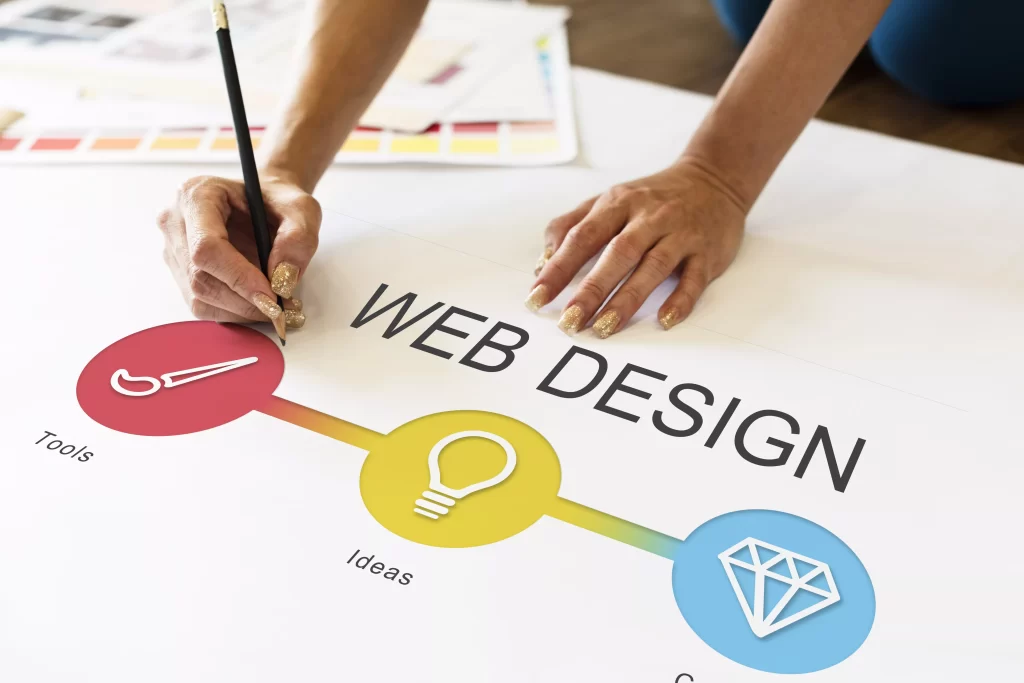
Beyond Aesthetics: The Strategic Purpose of Website Design for Business Growth
In the digital economy, the fundamental purpose of website design is not merely to create an attractive online brochure; it is to build a high-performance business asset. Your website serves as your 24/7 digital headquarters, your primary marketing engine, and the first handshake with potential customers. For any modern business, from a local startup to a global enterprise, a strategic, professional online presence is non-negotiable. At Asa rad co (آسا راد), we recognize that effective web design is a critical investment in credibility, customer acquisition, and sustainable growth.
Just a few years ago, some businesses could still thrive on word-of-mouth and traditional advertising. Today, the customer journey almost always begins with a search engine. When potential clients look for products, services, or solutions, their first stop is the internet. If your business isn’t there to meet them with a functional and engaging website, you are effectively invisible to a vast and motivated audience. The question is no longer if you need a website, but how your website is strategically designed to achieve core business objectives.
1. Establishing a Bedrock of Credibility and Trust
In today’s market, consumers are discerning and skeptical. A professional, well-structured website is the ultimate signal of legitimacy. It shows that you are a serious, established business that cares about its brand and its customers. A poorly designed, outdated, or non-existent site can raise red flags, making potential customers question your credibility. Research consistently shows that a majority of users form an opinion about a business based on its website’s design. In fact, one study found that 88% of online consumers are less likely to return to a site after a single bad experience. Your website is your digital first impression, and investing in its quality is investing in the trust you build with your audience.
2. The Central Hub of Your Digital Marketing Ecosystem
Think of your digital marketing efforts as spokes on a wheel; your website is the powerful hub that holds them all together. Every campaign, from social media and email marketing to pay-per-click (PPC) advertising, should direct traffic back to your website. It is the one digital property you completely own and control. On your site, you can tell your brand story without constraints, showcase products with rich detail, and generate leads through optimized forms. Purposeful website design ensures this hub is not just a destination but a conversion-focused environment that guides visitors toward valuable actions.
3. Unlocking Visibility and Attracting Customers Through SEO
One of the most critical functions of website design is its profound impact on Search Engine Optimization (SEO). Search engines like Google prioritize websites that offer an excellent user experience. Key design and technical elements are direct ranking factors, including:
- Mobile Responsiveness: A site that adapts flawlessly to all screen sizes (desktops, tablets, phones) is essential, as Google uses mobile-first indexing.
- Page Speed: Slow-loading websites have higher bounce rates and lower rankings. Optimized images, clean code, and quality hosting are design-related factors that boost speed.
- Site Architecture: A logical, intuitive structure helps search engines crawl and understand your content, improving its chances of ranking for relevant keywords.
A well-designed website is inherently an SEO-friendly website, making it easier for customers actively searching for your solutions to find you.
4. Your Always-On Salesperson and Information Resource
Your physical business has opening hours, but your website works tirelessly around the clock, 365 days a year. It serves as a perpetually available resource where customers can learn about your services, get answers to their questions, and even make purchases at their convenience. For a service-based business, it can pre-qualify leads by providing detailed information that educates the prospect before they even make contact. For an e-commerce business, it is a 24/7 storefront. This constant availability enhances customer satisfaction and automates processes, freeing up your team to focus on high-value tasks.
5. The Crucial Role of User Experience (UX) and User Interface (UI)
While often used interchangeably, UX and UI are distinct disciplines that are central to the purpose of website design.
- User Interface (UI) Design is about the aesthetics and visual elements—the colors, fonts, buttons, and spacing. It’s the look and feel of the site.
- User Experience (UX) Design is about the overall feel of the experience. Is the site easy to navigate? Can users find what they need without frustration? It’s the science of making a website functional, intuitive, and enjoyable to use.
A beautiful website (good UI) that is confusing to navigate (bad UX) will fail. The primary purpose of integrating both is to create a seamless journey that keeps visitors engaged, reduces bounce rates, and guides them smoothly from entry to conversion. A positive user experience is a direct driver of business results.
6. Gaining Actionable Insights Through Data Analytics
A website is a goldmine of business intelligence. By integrating analytics tools, you can track and understand user behavior in incredible detail. You can learn which pages are most popular, how visitors find your site, how long they stay, and where they drop off. This data is invaluable for making informed decisions across your entire business. It can help you refine your marketing strategies, identify new product opportunities, and better understand your customers’ needs and preferences. This feedback loop turns your website from a static presence into a dynamic tool for continuous improvement.
7. Leveling the Playing Field and Expanding Market Reach
Unlike a physical storefront limited by geography, a website provides instant access to a global audience. This dramatically expands your potential market. Furthermore, it levels the playing field between small and large businesses. With a strategic, professional website, a small local business can project an image of credibility and expertise that allows it to compete directly with national brands in search results and customer perception. It’s a powerful tool for democratization, allowing the best ideas and services to win, regardless of company size.
Conclusion: A Strategic Investment in Your Business’s Future
Ultimately, the purpose of website design is to be a strategic tool that solves business problems. It’s about building trust, generating leads, driving sales, and creating a scalable foundation for growth. In the modern economy, a business without a professionally designed website is a business leaving its most significant opportunities on the table. For brands like Asa rad co (آسا راد), harnessing the power of a purpose-driven online presence is not just about staying relevant; it’s about leading the way and building a resilient, prosperous future.
Frequently Asked Questions
What is the primary purpose of website design in business?
The primary purpose of website design is to create a strategic online hub that builds credibility, attracts and engages target audiences, and converts visitors into customers. It serves as a 24/7 marketing and sales tool, providing a platform to showcase products, generate leads, and support business growth. A good design is not just about aesthetics; it’s about solving business goals through a functional, user-friendly digital experience that drives measurable results.
Why is a professional website crucial for building trust?
A professional website acts as a strong signal of legitimacy and credibility in the digital age. Consumers expect reputable businesses to have a polished, up-to-date online presence. A well-designed site shows you are invested in your brand and your customers’ experience. Conversely, an outdated or poorly functioning site can create suspicion and deter potential customers, making them question the quality and reliability of your business before they even engage with you.
How does a well-designed website improve SEO performance?
Website design directly impacts SEO by influencing user experience and technical performance, which are key Google ranking factors. Elements like mobile responsiveness, fast page load speeds, intuitive navigation, and a logical site structure are all part of good design. These features make it easier for search engines to crawl and index your site, and they keep users engaged longer, reducing bounce rates and signaling to Google that your site provides a valuable experience.
Can a small business compete with larger companies with a good website?
Absolutely. A professional website is a powerful equalizer. It allows a small business to project an image of professionalism and authority that can rival that of larger competitors. In search engine results, a well-optimized, user-friendly website from a small company can outrank a poorly maintained site from a bigger brand. It provides an equal opportunity to attract and convert customers based on the quality of the online experience, not just company size.
What is the difference between having a website and only a social media presence?
A social media page is rented digital space, subject to the platform’s rules, algorithms, and limitations. A website is a digital asset you own completely. It offers full control over branding, user experience, content, and data collection. While social media is excellent for engagement and driving traffic, your website is the central, authoritative hub where conversions, deep-dive content, and lead generation are most effectively managed and tracked.
What are the biggest risks of a poorly designed website?
A poorly designed website can severely damage your business. The primary risks include losing credibility, frustrating and alienating potential customers, and becoming invisible on search engines. High bounce rates from a confusing or slow site tell search engines your content isn’t valuable, hurting your SEO rankings. Ultimately, a bad website design leads to missed opportunities, lost revenue, and a negative perception of your brand in the marketplace.
How does responsive design affect a business’s online presence?
Responsive design, which ensures a website looks and functions perfectly on any device, is critical. With a majority of internet traffic coming from mobile devices, a non-responsive site provides a poor user experience for a huge portion of your audience. Furthermore, Google uses mobile-first indexing, meaning it prioritizes the mobile version of your site for ranking. Lacking a responsive design will harm your SEO visibility and frustrate users on the go.
What key elements should every business website include in 2024?
In 2024, every business website must have a clean, mobile-first design, fast loading speeds, and an intuitive navigation menu. It should feature clear calls-to-action (CTAs) on every page, a secure HTTPS connection, and accessible design for users with disabilities. High-quality content that addresses user needs, along with essential information like contact details and social proof (testimonials or reviews), are also non-negotiable for building trust and driving conversions.